About Bensham Manor
Bensham Manor is a secondary special school supporting young people with a wide range of additional needs, including autism, complex needs and speech, language and communication difficulties.
What matters to us
We recognise and respond to the individual needs of our students, providing a relevant and challenging curriculum while celebrating achievement and effort across school life. Close partnership with parents and carers helps our students make their best possible progress.
Achievement
Recognise, monitor and celebrate the achievements and diversity of our students.
Teaching
Develop excellent teaching that enhances learning and enables students to thrive.
Curriculum
Provide a flexible, well-resourced, accredited and imaginative curriculum.
Care and respect
Ensure everybody matters, feels respected, receives high-quality support and has a voice.
Learning at Bensham
Our curriculum takes account of the different abilities and experiences of our students and provides an education appropriate to their individual needs.
Alongside academic learning, we place a strong emphasis on communication, independence, confidence and preparation for adult life. Students experience a broad range of learning opportunities, including accredited courses.
At Key Stage 4, pupils follow increasingly personalised academic or vocational pathways, with opportunities including independent travel training, work experience and college links.
Supporting every student
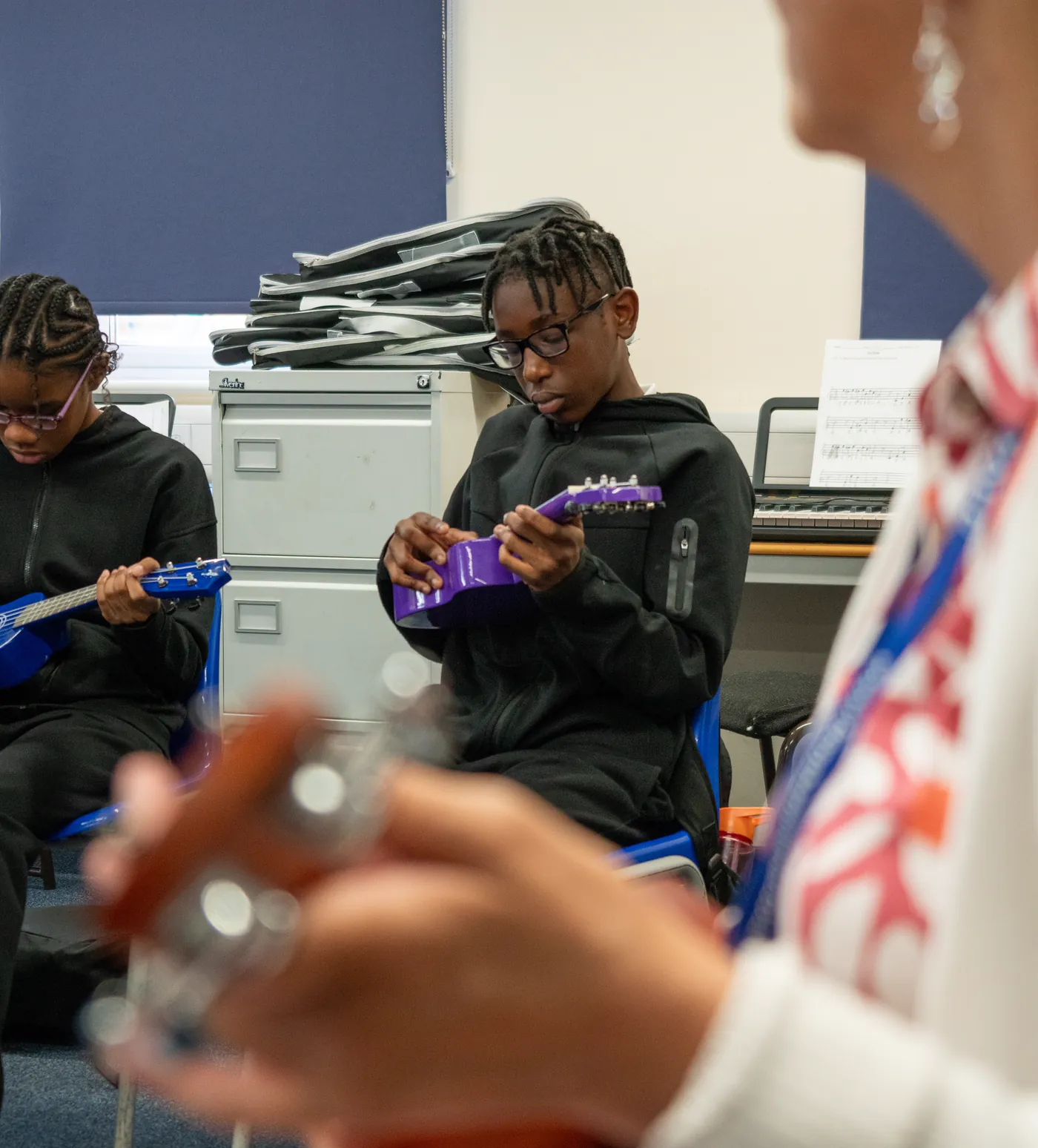
Support at Bensham brings together specialist teaching, pastoral care, therapy and close monitoring of progress. Provision is adapted around each student’s individual needs and EHCP.
Learning support
Specialist teachers and teaching assistants provide differentiated teaching and targeted interventions to help students access learning and build independence.
Wellbeing and therapy
Students can access pastoral support alongside speech and language therapy, occupational therapy, counselling and other therapeutic interventions where appropriate.
Progress and communication
Progress is reviewed regularly and families are kept informed through reports, IEPs, EHCP reviews, parents’ evenings and ongoing communication with tutors.
Come and see Bensham Manor
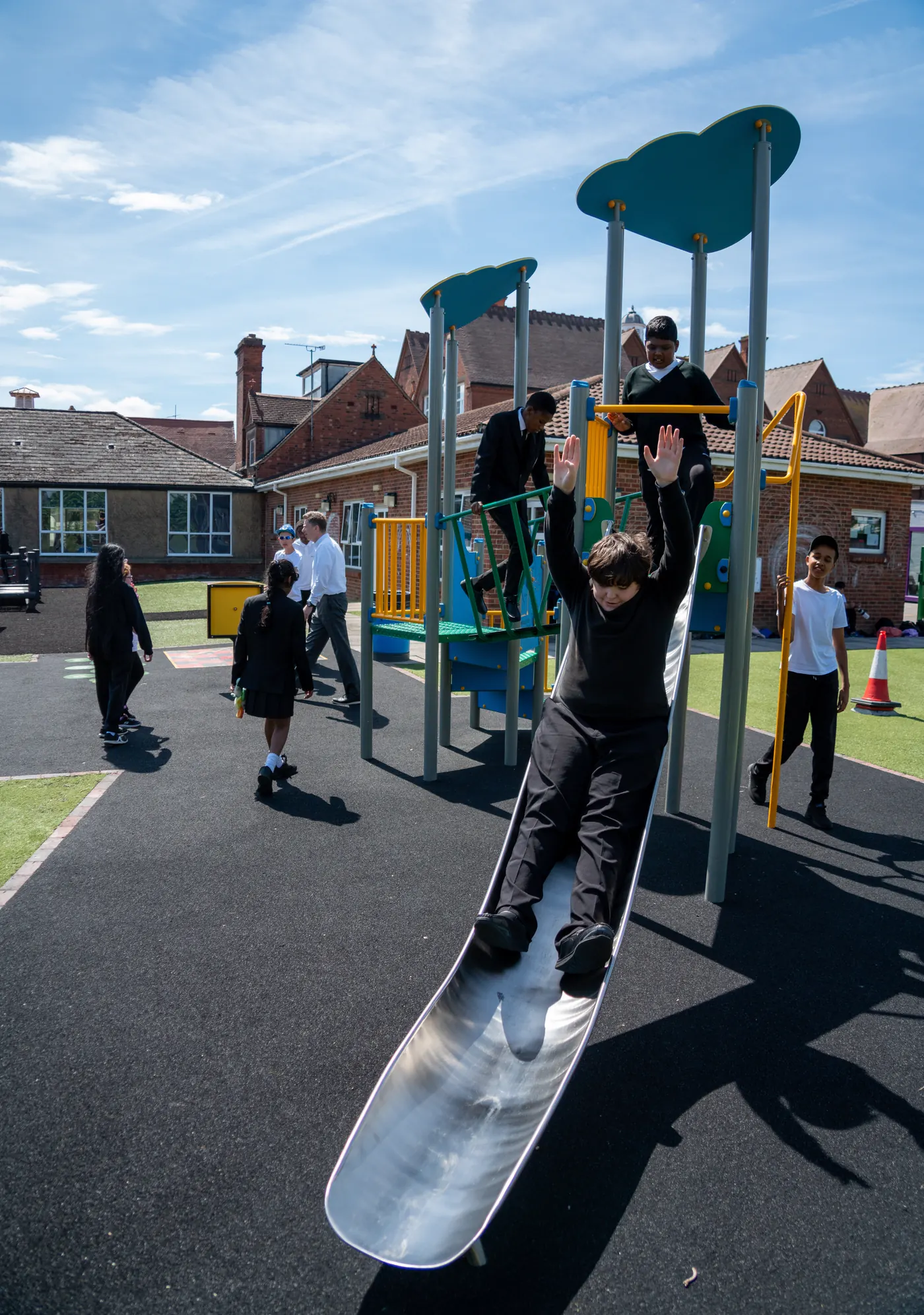
The best way to get to know Bensham is to visit us for an open afternoon. Prospective parents and carers can meet school leaders, see the school facilities and ask any questions they may have.
If you are unable to attend an open afternoon, a member of the senior team can arrange an alternative solution.








All about Bensham Manor
General Overview
Bensham Manor School is a large, oversubscribed secondary special school for students with a wide range of special needs. We make provision for students who have EHCPs which include; autism, complex needs, speech, language and communication difficulties. Our aim is to recognise and respond to the individual needs of students and provide them with a relevant and challenging curriculum. We have a Post 16 provision on site. All students have an Educational Health and Care Plan (EHCP) which is reviewed annually. We work hard to ensure students are successful and we celebrate and recognise achievement and effort in all areas of the curriculum. Our close partnership with parents and carers is instrumental in supporting students to make their best progress. We work hard to make sure students are safe and happy and we are always willing to hear what you think we can do better.
Our Key Aims
- Raise, monitor and celebrate the achievements and diversity of our students
- Develop excellent teaching to enhance learning
- Facilitate an appropriate, well resourced, flexible, accredited and imaginative curriculum
- Provide high quality care, guidance and support ensuring everybody matters, feels respected and has a voice
How will Bensham support my child?
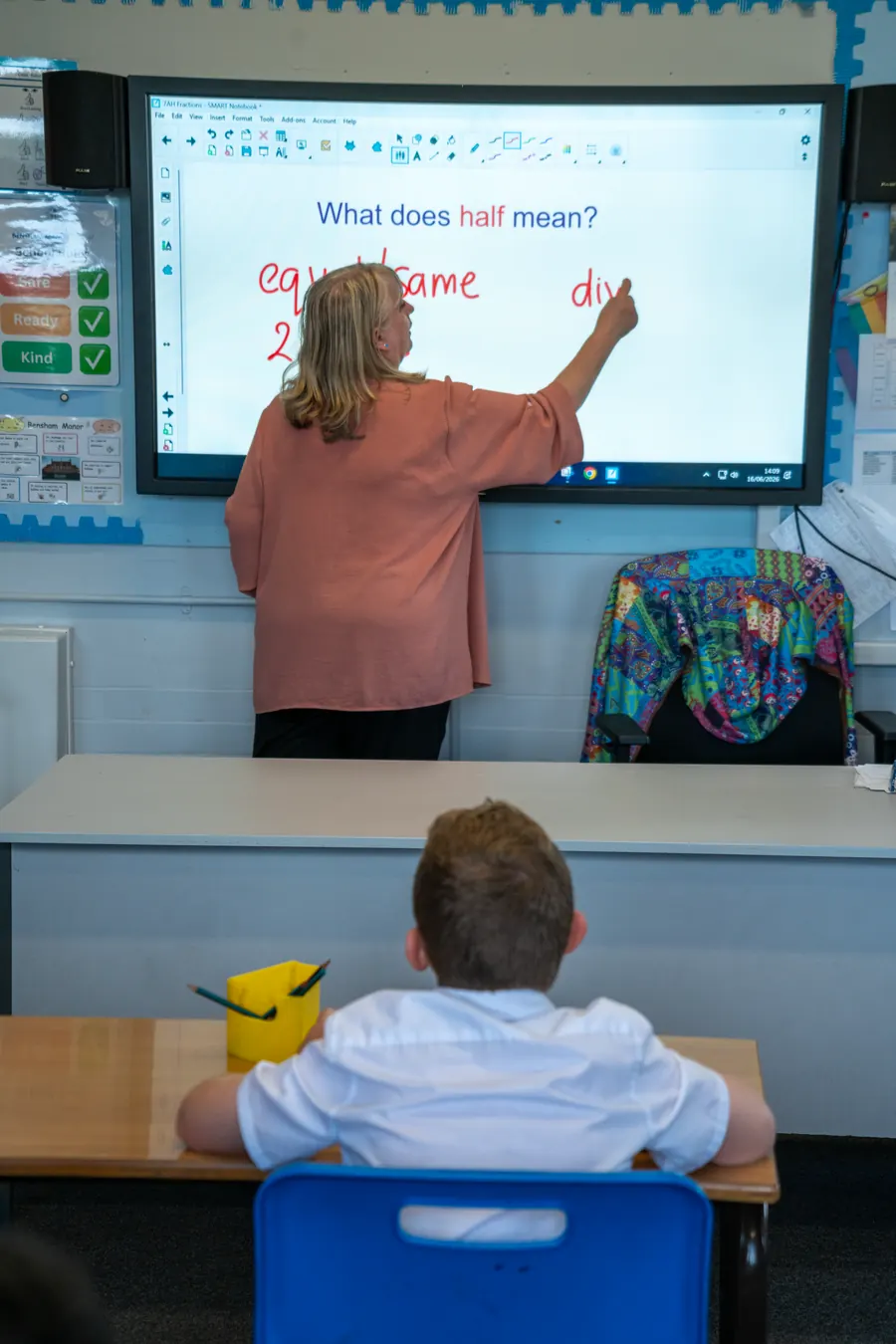
- Every class group is taught by specialist class teachers who plan and deliver units of work with differentiated objectives that are assessed throughout the year.
- Pupils who are class based due to their need for greater support have their programme planned by the class teacher with input from specialist teachers where relevant.
- All programs are differentiated to meet each students individual needs and meet their learning style.
- Every student’s tutor group has a tutor and dedicated teaching assistant. The teaching assistant accompanies the group throughout the day in order to support their learning and pastoral care.
- If a pupil has needs related to more specific areas of their education such as spelling or reading, then he or she may have additional support – known as ‘positive interventions’ from teaching assistants or teachers. The duration of the intervention varies and is reviewed regularly to determine the effectiveness of the intervention and to inform future planning.
- Pupil progress data is reviewed each half term by the teacher and a member of the senior leadership team and will highlight any potential causes of concern in order for interventions to be planned.
- Occasionally some students require additional support with social, emotional or mental health disabilities. In such instances, a referral will be made with your consent and forwarded to the most appropriate agency.
- An on-site speech and language and occupational therapists enhance the provision
- The Deputy Head Teacher is the Designated Safeguarding Lead Officer responsible for Safeguarding and Child protection procedures.
- The Governing Body is responsible for ensuring that the school is as inclusive as possible and there is equality of provision.
Child wellbeing
A Form Tutor is assigned to each pupil and is responsible for;
- Promoting the general progress and well-being of individual students.
- Registering students.
- Accompanying them to assemblies.
- Supporting their full attendance at all lessons and participation in other aspects of school life.
- Setting Individual Education Programme (IEP) targets and writing reports.
- Alerting appropriate staff to the problems experienced by students and make recommendations as to how these may be resolved.
- Communicating, as appropriate, with parents of students and persons or bodies outside the school concerned with the welfare of individual students, after consultation with appropriate staff.
- All members of staff including class teachers, Year Heads and Senior members of staff are readily available for students who wish to discuss an issue or a concern.
- Lunchtime clubs are available for students who require more structure at this time.
- There is a school counsellor who provides individual support offering guidance and advice where appropriate and requested. Referrals may be made to help our students understand their emotions and develop strategies to manage friendships, self – esteem, anger, social skills and bereavement.
- We have a Trauma Informed Practitioner and an Emotional Literacy Support Assistant.
- We have a Music Therapist one day per week to support pupils mental health
- We have an in-house Speech and Language Therapy Team as well as an In-house Occupational Therapist and Assistant.
- We have a family support worker who works closely with families to ensure children and their parents receive the support they need.
Curriculum and teaching methods
The curriculum at Bensham Manor School takes account of the different abilities and experiences of our students and provides an education appropriate to their individual needs.
Through our curriculum we aim to:
- Provide stimulating activities and tasks.
- Set challenging, achievable targets for individual students.
- Develop effective social and communication skills.
- Incorporate English, ICT & Mathematics into all lessons and activities.
- Encourage the tolerance of opinions and beliefs and reflect the multicultural and multi-faith nature of society.
- Develop self-confidence and skills towards independent living.
- Encourage a caring, respectful attitude towards each other within the community.
- Ensure continuity and progression.
- We offer a broad and balanced range of learning opportunities that includes and exceeds the National Curriculum. There is an exciting breadth of accredited courses.
- Students are taught within year groups and a 25 lesson per week timetable is followed.
- Grouping arrangements are organised flexibly with opportunities for class based and subject based settings to maximize learning opportunities for all.
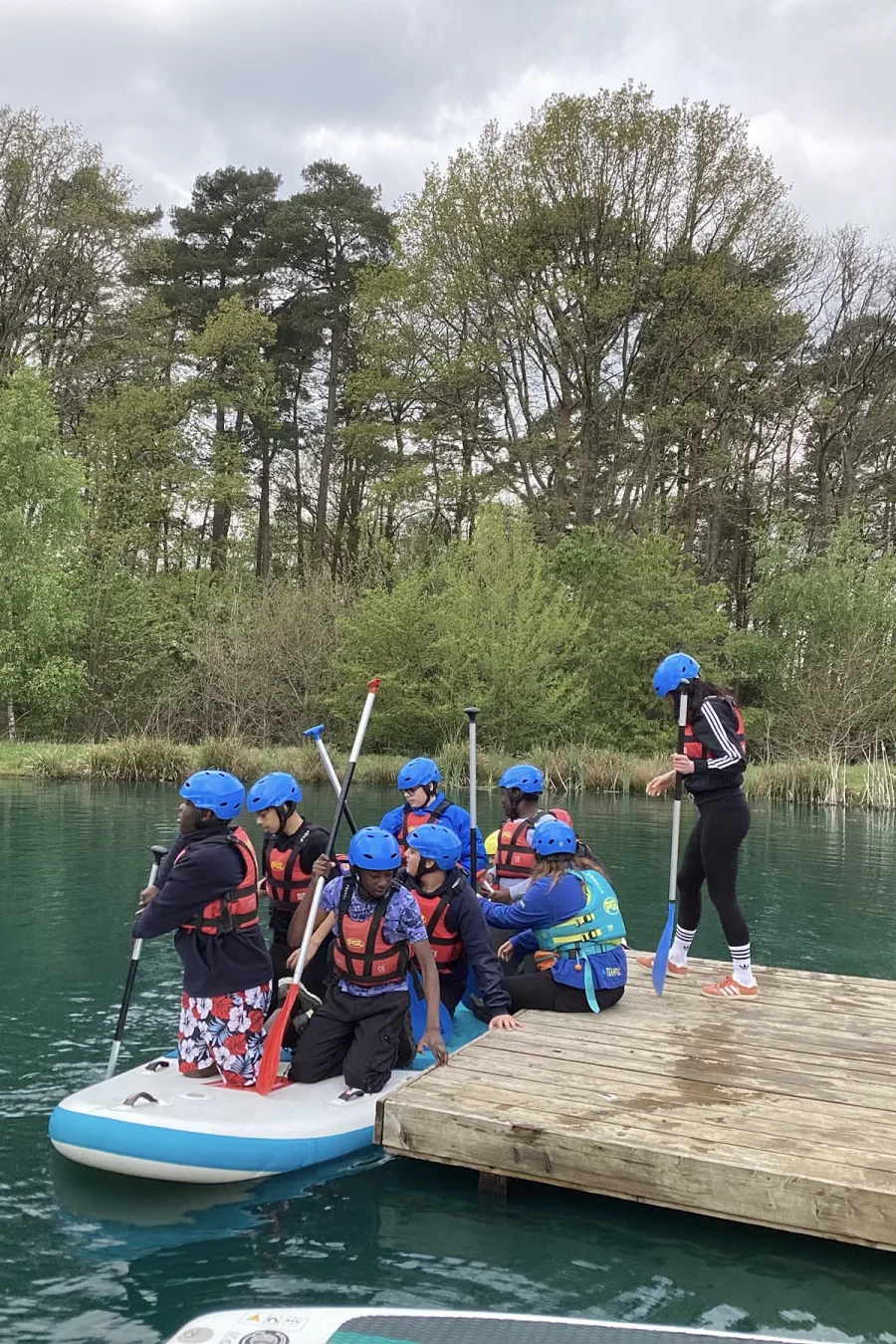
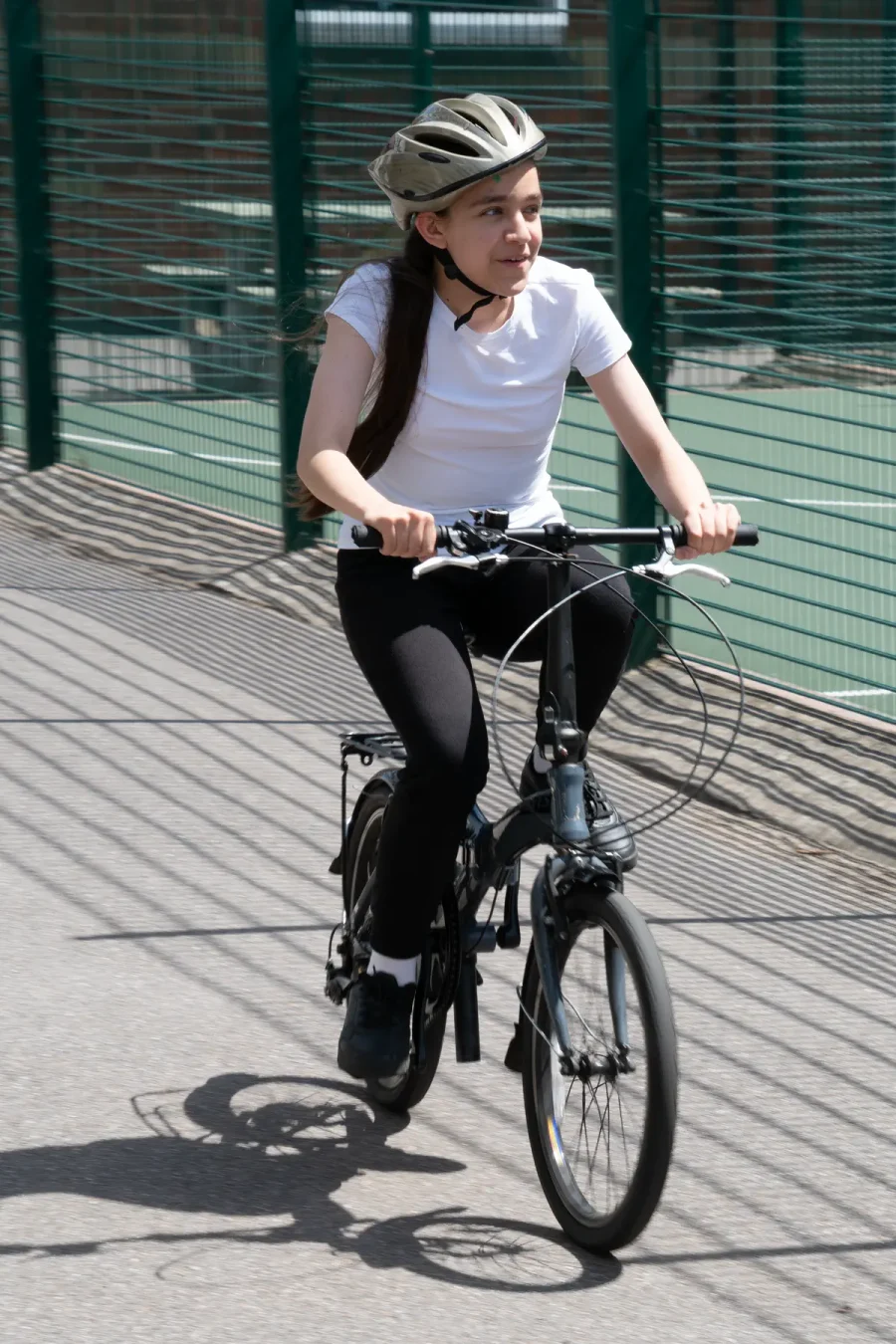
- At Key Stage 4 pupils follow a more personalised curriculum that may be academic or vocationally based and includes access to independent travel training, work experience and college link courses.
- All students follow accredited courses such as AQA, GCSE Functional Skills, Entry Level and Entry Pathways throughout Key Stage 4 and leave Bensham Manor School with a range of qualifications.
- At least one teaching assistant supports each class and additional staff are allocated according to need.
- Additional teaching assistants are used flexibly with a long-term goal of developing independent learning skills.
- Speech and Language Therapy, Occupational Therapy, Music Therapy, Therapy Dog, Emotional Literacy Support, Counselling and Social Communication Groups are timetabled as appropriate.
How will I know if my child is progressing?
- You will be able to come to two Progress Mornings per year to see how your child is progressing - you will be able to see them in class and look at their work. New for the 26/27 academic year is an Academic Review Day in the Spring Term where you will meet your child's teachers to discuss progress and have training from the Therapy Team.
- You will receive an IEP and evaluation twice a year.
- You will be able to speak with the form tutor at the end of the day or contact them by email at any time.All pupils have curriculum targets in their folders.
- In KS4 you will be sent your child’s predicted grades and learning pathways to help you with college applications
Visiting the School
We have a range of open afternoons which dates can be found on benshammanor.co.uk/open-afternoons if available. This is a chance to meet the Headteacher and tour the school during a normal school day. If you are unable to make an Open Afternoon one of the senior team will be happy to give you a tour during the school day at your convenience. Please contact the School Office on
0208 684 0116 or theoffice@benshammanor.com
Post 16
Bensham Manor Post 16 provision is a one or 2 year provision for pupils who have complex learning needs and are not ready to transition from school to college. We are situated in the grounds of Bensham Manor School and can currently accommodate up to 14 students. Our facilities consist of well–resourced areas including a cafe, large classroom and a courtyard. All students have access to our multidisciplinary team, including speech and language, occupational, drama and music therapists and a school counsellor. All Post 16 students spend 2 days per week off site – one day is at college and one day work experience. Pupils also have on-site opportunities for work experience in our school cafe and outdoor drinks hut.
Do students gain qualifications?
- All students leave with nationally accredited awards. These include entry level certificates in most subjects, as well as some attaining GCSEs in English, Mathematics, Science, RE, Art and Textiles.
- We offer a range of other qualifications related to Independent Living Skills and Skills for Work and Life that recognize Personal Progress and Independence.
- Pupils also receive accreditation in practical, functional skills in Maths, English and ICT.
Assessment planning and review
- On-going monitoring is carried out by the class teacher, form tutors and subject teachers to track the progress of students.
- Monitoring arrangements flag up students at risk of underachieving so that support and interventions can be implemented to ensure progress.
- Interventions include additional teaching assistant support, dyslexia support and reading groups.
- IEPs are set for each child twice a year and this is monitored by class staff. This is designed to focus on specific needs identified in a student’s EHCP in the areas of independence, communications and wellbeing. Parents/Carers are invited to contribute to the IEP and will receive copies and evaluations.
- ‘WRAP’ meetings are held to offer a casework approach for the most needy and vulnerable students. This includes input from all key staff familiar with an individual pupil to share views and contribute to future plans to overcome barriers for learning.
- A review of your child’s EHCP is held yearly
Staffing expertise
Our staff are highly skilled and committed to providing the very best support for every pupil. Team members hold a wide range of SEND qualifications and undertake ongoing professional development throughout the year to ensure their knowledge and practice remain current. All staff are trained in trauma-informed approaches, enabling them to provide consistent, nurturing support that meets the individual needs of our pupils. In addition, all of our therapists are fully qualified professionals, delivering specialist interventions to support pupils' learning, wellbeing and personal development.
What facilities do we offer?
- Therapy Centre
- Specialist subject based classrooms for Art, Food Technology, Textiles and Music
- In addition we have the following specialist rooms:
- A Sensory Room
- Two school halls.
- Two ICT suites including a brand new Digital Media Suite.
- An indoor Gymnasium with disability approved equipment.
- Two outdoor games areas with astro turf and poraflex surfaces
- Three playgrounds (one with state of the art adventure equipment).
- Two science laboratories
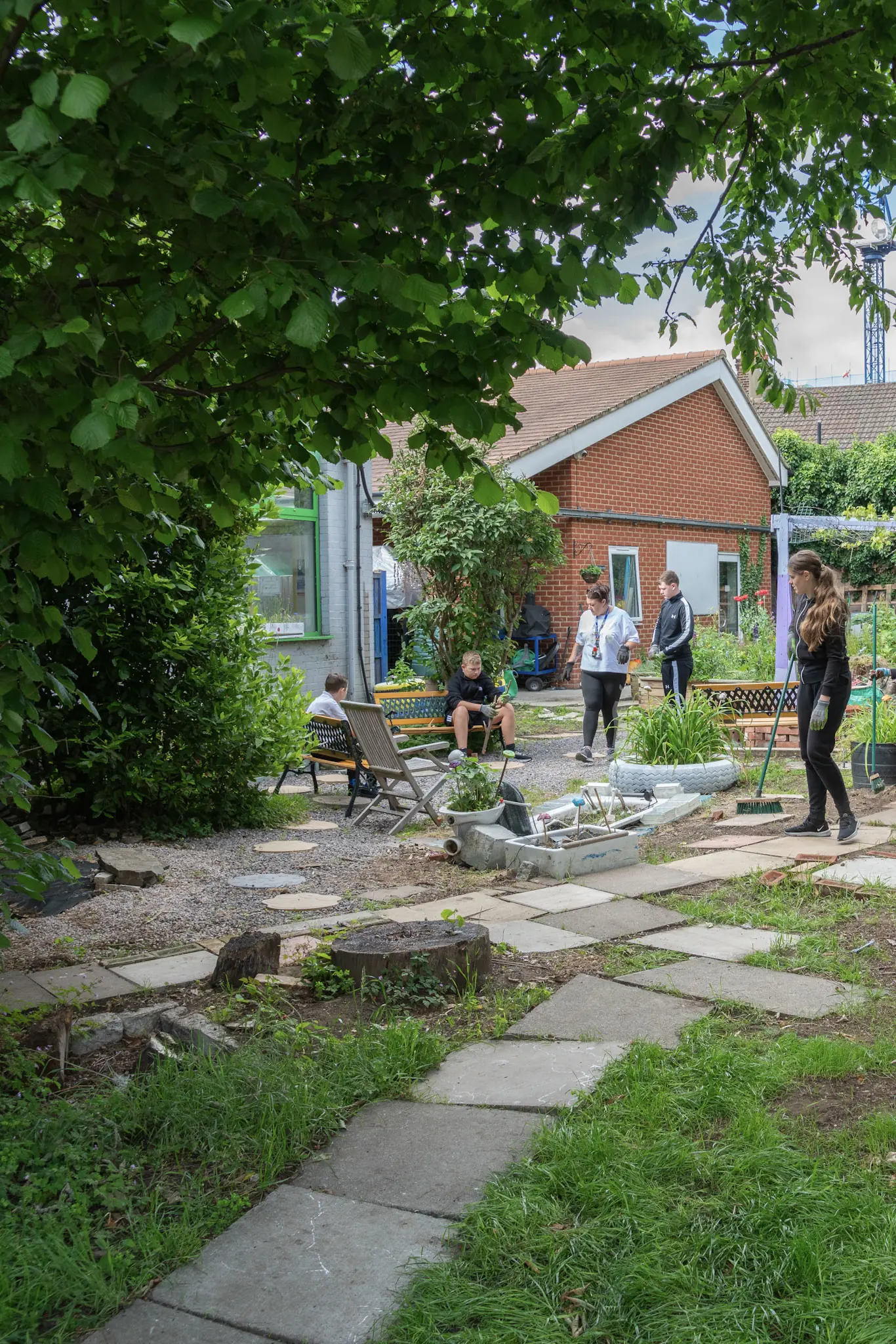
- A school allotment with small animals
- A dedicated outdoor games area for table tennis and table football
- A light and bright and spacious dining room with state of the art kitchen
- Two Food Technology classrooms
- A Life Skills Room
- Climbing wall
- Cafe
- Outdoor drinks hub
Accessibility
As a school we are happy to discuss individual access requirements. Access arrangements currently include:
- Ramps into school to make the building accessible to all.
- Wide doors in some parts of the building.
- Lift in the main school building.
- Depending on the needs of the students an individualized access and or medical care plans.
External Partnerships
At times we consult with external agencies to receive more specialised expertise. These agencies include
- Child Protection Services
- CAMHS (Child and Adolescent Mental Health Service)
- Social Services
- Children’s Therapy Team (Speech and Language, Physio and Occupational Therapy)
- School Nurse, Dentist and Doctor
We also have an educational psychologist allocated to Bensham. She normally works with students whose needs are felt to be considerable and who have not responded to the previous interventions put in place for them.
How will the School help my child to move to a new class / year group or different school?
Children and young people with SEN can become particularly anxious about ‘moving on’. Many strategies are in place for supporting students as they take their next step to ensure that transition is as smooth as possible both for moving to Bensham Manor and moving on to College or Post-16 provision. These include:
- Discussions with the previous teachers and school prior to the pupil joining. There is close liaison to ensure information is passed on.
- Visits from Bensham Manor school staff to observe students in the feeder primary school prior to them joining.
- All students attend a transition morning or day where they will spend time meeting the new teachers/class
- Additional time is allocated to students who require extra time to adjust to their new school
- We begin talking to families about post school provision in Year 9. Discussions also include contributions from Further Education providers and Personal Advisors to help students and families make informed decisions about their future.
- All students have a transition plan written in the Annual Review meeting every year following and including the Year 9 review.
- We offer link programs to local colleges for all Year 11 and Post-16 students.
- Our own Post-16 Department offers a smaller learning environment suitable for some ASC and less able students who need more support in developing core skills and independence.
- Post-16 students complete a two day transition programme in the last week of the summer term